


Many people are diagnosed with “high cholesterol” during a routine medical checkup. You may have heard phrases like “You have high LDL” or “Your cholesterol is above normal” from your doctor and wondered how serious this is. In the following lines, we will look at what exactly cholesterol is, what its normal values are, what risks its elevated level poses, and how we can effectively control it. Here is what he says Dr. Kiril Svilenov, a specialist in general medicine in Sofia.
What is cholesterol?
Cholesterol is involved in the construction of cell membranes, contributes to the production of steroid hormones such as estrogen and testosterone, and participates in the synthesis of vitamin D. It is also necessary for the formation of bile acids, which help absorb fats from food.
Approximately 70 to 80 percent of the total cholesterol in the body is synthesized by the liver, while the remaining amounts are ingested through food. This means that even with a healthy diet, some people can have high cholesterol levels. The reason is a genetic predisposition or individual metabolic characteristics.
LDL and HDL – what's the difference?
Cholesterol does not circulate in the bloodstream on its own, but is transported by special particles called lipoproteins. The two main types that are important for our health are LDL and HDL.
LDL, or low-density lipoprotein, is often called “bad cholesterol.” This is because when levels are high, LDL builds up on the inside walls of blood vessels, forming atherosclerotic plaques. Over time, this buildup can narrow the vessels and increase the risk of heart attack, stroke, or other cardiovascular diseases.
HDL, or high-density lipoproteins, are known as “good cholesterol.” Their role is to collect excess cholesterol from tissues and vessels and transport it back to the liver, where it is processed and excreted from the body. In this way, HDL prevents the accumulation of plaque and has a protective role for the heart and vessels.
What are the recommended cholesterol values?

There are no universal reference values that apply to all people. The interpretation of the results must be done individually, taking into account age, the presence of other diseases, as well as the overall risk of cardiovascular events. However, there are indicative values that medical practice strives for:
- Total cholesterol should be below 5.0 mmol/L.
- For LDL cholesterol, a value below 3.0 mmol/L is recommended for healthy individuals, and below 1.8 mmol/L for patients at increased risk.
- HDL cholesterol should be above 1.0 mmol/L in men and above 1.2 mmol/L in women.
These values are not absolute, but serve as a guideline when assessing whether intervention is necessary.
What are the causes of high cholesterol?
Although a significant portion of cholesterol is produced in the body, our lifestyle plays a crucial role in maintaining its levels within healthy limits. Among the most common causes of high cholesterol are:
- Consumption of foods rich in saturated fats – such as fatty meats, butter, cheese and fried foods.
- Insufficient physical activity, as well as a sedentary lifestyle.
- Overweight or obesity.
- Smoking.
- Insufficient intake of plant fiber, vegetables and fruits.
On the other hand, there are also factors that are beyond our control:
- Hereditary forms of hypercholesterolemia, in which cholesterol levels are high from an early age.
- Certain diseases such as hypothyroidism (slow thyroid function), diabetes mellitus, liver and kidney diseases, sleep apnea, or autoimmune diseases such as lupus.
- Taking certain medications used to treat high blood pressure, HIV, some cancers, or after transplants.
How can cholesterol be lowered?

For moderately elevated levels and no serious risk factors, the best first step is to make lifestyle changes. Such adjustments often lead to tangible results without the need for medication.
Dietary changes include:
- Reducing saturated fats and avoiding trans fats.
- Increased intake of soluble fiber through foods such as oatmeal, legumes, whole grains, and seeds.
- Using vegetable fats in moderation – for example, olive oil, avocados, and raw nuts.
- Incorporating more fruits and vegetables.
- Limiting red meat, butter, and fatty cheeses.
Regular physical activity is also key. At least 30 minutes of moderate exercise a day, five times a week, is recommended. This can include walking, swimming, cycling, or even gardening.
Controlling body weight and reducing waist circumference also help reduce cholesterol. Also, quitting smoking and limiting alcohol have a positive effect on the lipid profile.
What is the role of nutritional supplements?
In cases of borderline elevated values, when there is no indication for drug treatment, the use of nutritional supplements may be considered. Among the most commonly used are:
- Fermented red rice – contains natural statins.
- Omega-3 fatty acids – found in fish oil, flaxseed, and chia.
- Psyllium – plantain husks are an excellent source of fiber.
- Cinnamon – in some cases, it can help control lipids.
It is important to emphasize that supplements are not a substitute for a healthy lifestyle and should not be taken without prior consultation with a doctor.
When is medication treatment necessary?
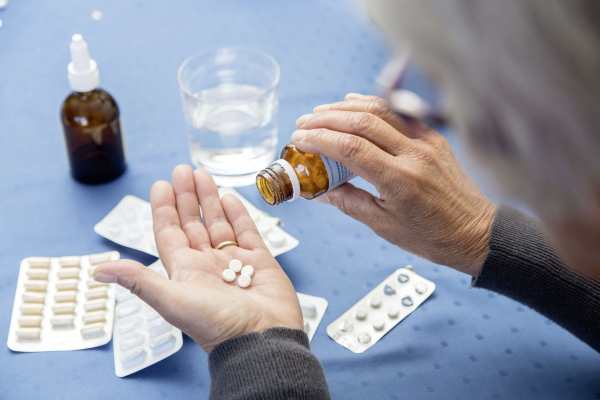
If lifestyle changes do not lead to the expected reduction in cholesterol or if the patient is at high risk of cardiovascular events, then drug treatment is initiated. The most commonly used group of drugs are statins, which effectively lower LDL cholesterol and stabilize existing plaques.
In certain patients, additional medications are prescribed to achieve stricter goals such as LDL below 1.8 mmol/L in cases of increased risk or below 1.4 mmol/L in cases of previous heart attack.
Dr. Kiril Svilenov (also speaks English) can order appropriate tests and recommend an individual therapy that is right for you. He is a general practitioner and a specialist in general medicine who sees patients in two locations:
In case of emergencies, visit the GALEN-21 Medical Center in the building of 20 DCC (15-17 Gen. St. Toshev St.), where Dr. Svilenov's practice has a subscription for 24-hour service.
- Office 115 in 29 DCC (8 G. Izmirliev St.) – even dates from 2:00 PM to 7:00 PM; odd dates – from 8:00 AM to 1:00 PM.
- Office 12 (Building 4 – Lozenets Hospital /Government Hospital/) after an appointment here or make an appointment by phone (on working days) at working hours on
tel. +359 895 660 650 .
Ina Dimitrova worked on the text
 EN
EN  BG
BG  DE
DE  SR
SR  RO
RO  EL
EL  RU
RU  IT
IT  ES
ES  PT
PT  FR
FR  PL
PL 