


Calf pain itself is not the most typical symptom of high blood sugar. However, it can be a warning sign of blood vessel damage caused by prolonged high blood sugar levels. For this reason, such symptoms should not be ignored, especially in people with diabetes or risk factors for the disease.
Elevated blood sugar levels can gradually damage blood vessels and significantly increase the risk of cardiovascular disease. Prolonged hyperglycemia is also associated with a higher risk of developing atherosclerosis.
Atherosclerosis is a process of accumulation of fatty plaques, including cholesterol,
on the walls of the arteries. Over time, these deposits narrow the blood vessels and impede blood flow. When the arteries of the lower extremities are affected, pain in the calves when walking and a limp may occur - a condition known as intermittent claudication.
Another possible sign of atherosclerosis is chest pain or discomfort, called angina pectoris. If a blood vessel becomes completely blocked, it can lead to serious complications such as a heart attack or stroke.
High blood sugar can also cause nerve damage (diabetic neuropathy). Typical symptoms are numbness, tingling, or burning pain, which usually starts in the fingers or toes and gradually spreads upward. In advanced stages, there may be loss of sensation and the formation of difficult-to-heal wounds and ulcers.
Before complications of type 2 diabetes develop, the body often sends warning signals
Among the most common early symptoms are:
• constant thirst and dry mouth;
• frequent urination;
• increased hunger;
• unexplained fatigue;
• slow healing of cuts and wounds;
• unintentional weight loss;
• blurred vision;
• itching in the genital area.
Type 2 diabetes occurs when the body cannot use insulin effectively or when the pancreas does not produce enough of this hormone. Insulin plays a key role in transporting glucose from the blood into cells, where it is used as a source of energy.
The main risk factors for developing type 2 diabetes are being overweight and not being physically active. People with a body mass index (BMI) of over 30 kg/m2 are at particularly high risk. The accumulation of fat in the abdominal area, known as visceral obesity, also contributes to the development of insulin resistance and metabolic disorders.
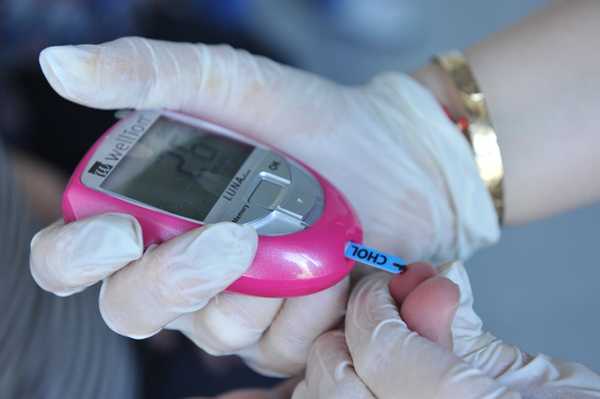
What is prediabetes?
Prediabetes is a condition in which blood sugar levels are higher than normal but not yet high enough to be diagnosed with diabetes. It is an important warning stage in which glucose metabolism is already impaired, but the disease can still be prevented or delayed.
The main mechanisms in prediabetes are the reduced sensitivity of cells to insulin (insulin resistance) and the gradual deterioration of the function of the beta cells in the pancreas, which produce insulin.
Data shows that without lifestyle changes, a significant proportion of people with prediabetes develop type 2 diabetes within the next few years. The good news is that early detection of prediabetes and taking measures such as weight loss, healthy eating, and regular physical activity can significantly reduce the risk of progression to diabetes.
Editor Ina Dimitrova
 EN
EN  BG
BG  DE
DE  SR
SR  RO
RO  EL
EL  RU
RU  IT
IT  ES
ES  PT
PT  FR
FR  PL
PL 