


Stopping an anticoagulant or antiplatelet medication before a tooth extraction is not only unnecessary, but also very risky. Cardiologist Dr. Alexander Nosikov addressed doctors and patients with this appeal on his Facebook profile. His position was prompted by an increase in requests for consultations on whether such medications should be stopped before a tooth extraction.
These are medications that prevent the formation of blood clots. Anticoagulants — for example, rivaroxaban, apixaban, edoxaban, dabigatran or warfarin, reduce the risk of stroke and thrombosis in conditions such as atrial fibrillation or venous thromboembolism. Antiplatelet agents — like aspirin, clopidogrel, prasugrel or ticagrelor — are often used after coronary stent placement or in high cardiovascular risk.
The risk of bleeding during tooth extraction is small, while the risk of thrombosis if therapy is stopped incorrectly can be catastrophic.
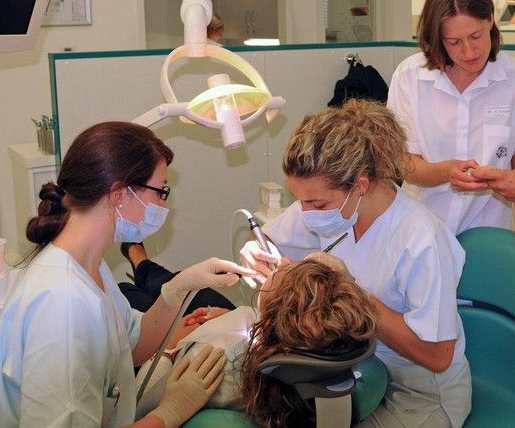
The main problem is that the risk of bleeding during tooth extraction is usually manageable, while the risk of thrombosis if therapy is stopped incorrectly can be catastrophic. The American Dental Association states that in most patients, anticoagulant or antiplatelet therapy does not need to be changed before dental intervention, and bleeding is usually controlled with local measures.
This is exactly one of the highlights of Dr. Nosikov's position: stopping these drugs is not harmless. In a patient with a stent, for example, stopping an antiplatelet agent can lead to stent thrombosis - an acute, life-threatening blockage of a coronary vessel. In a patient with atrial fibrillation, improper stopping of an anticoagulant can increase the risk of embolic stroke. The consequences can be death or permanent disability.
Temporary „covering“ with heparin — not standard practice for every patient
It is important to clarify that low molecular weight heparins, known to patients by trade names such as Clexane or Fraxiparine, are not a universal „substitute“. They do not replace antiplatelet agents. And with direct oral anticoagulants, the so-called bridging — temporary „covering“ with heparin — is not standard practice for every patient. The American College of Cardiology also emphasizes that in patients on direct oral anticoagulants, there is usually no role for bridging with heparin or low molecular weight heparin because the anticoagulation-free period, when needed at all, is short.
In dental procedures, the decision depends on many factors: what medication the patient is taking, why they are taking it, when the stent was placed, whether they have atrial fibrillation, a history of stroke, kidney disease, a high risk of bleeding, what type of extraction is being performed, and what anesthesia will be used. Therefore, there is no one safe regimen that applies to everyone.
Current guidelines consider most minor dental procedures to be low-risk interventions. A 2024 review noted that for most minor dental procedures, antiplatelet or anticoagulant therapy can be continued without interruption, and local hemostatic measures—such as pressure, sutures, topical hemostatic agents, or tranexamic acid mouthwash—are used as needed.
Some patients may need to skip a dose, delay a dose

This does not mean that a change in therapy is never made. In some patients and for higher-risk procedures, it may be necessary to skip a dose, delay a dose, or take a longer break. But this should be assessed in advance by a physician who knows the patient's cardiovascular risk. The SDCEP guidelines also emphasize the need for a specific assessment according to the drug, the procedure, and the risk of bleeding.
The practical advice to patients is clear: do not stop anticoagulant or antiplatelet drugs on your own before tooth extraction. If the dentist or surgeon believes that there is a risk of bleeding, they should request a preoperative consultation with a cardiologist, in which the procedure, the expected risk of bleeding and the type of anesthesia should be described. Only then can the cardiologist give a written recommendation on whether the therapy should be continued, temporarily changed or the procedure postponed.
Tooth extraction is most often not an emergency intervention. Therefore, the safest approach is to make the decision in a timely manner — not on the day of the procedure and not through a short message, but after a real medical evaluation.
Editor Ina Dimitrova
 EN
EN  BG
BG  DE
DE  SR
SR  RO
RO  EL
EL  RU
RU  IT
IT  ES
ES  PT
PT  FR
FR  PL
PL 