

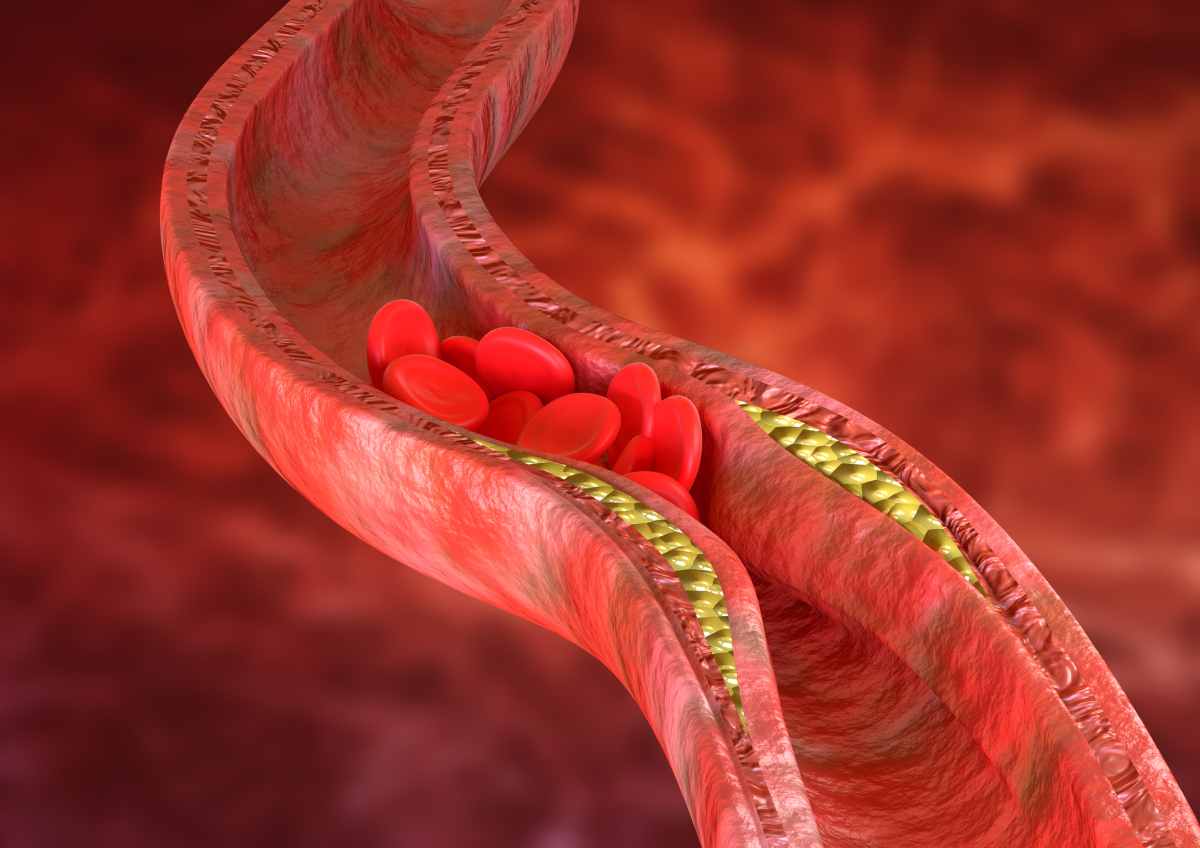
Anticoagulants are medicines that prevent the formation of blood clots (thrombi) by reducing the blood's ability to clot. These blood-thinning drugs are widely used for conditions that increase the risk of blood clots. Such are, for example, atrial fibrillation, deep vein thrombosis and pulmonary embolism.
The main purpose of anticoagulants is to keep the blood in an optimal fluid state. They reduce the likelihood of blockage of blood vessels, which can lead to a heart attack, stroke or other serious complications. They work by inhibiting various clotting factors that are involved in the process of thrombus formation.
In Bulgaria, they can be bought from the pharmacy only with a doctor's prescription.
Types of anticoagulants:
- Warfarin
- Heparin
- New oral anticoagulants such as dabigatran, rivaroxaban and apixaban (These are names of molecules, not brand names that patients are familiar with).
Anticoagulants are medicines that play a key role in preventing the formation of blood clots (thrombi) in the body. To understand how they work and in which cases they are prescribed, let's take a closer look at their action and applications.
How long to drink anticoagulants
Our blood has a complex clotting mechanism that is activated when a blood vessel is injured. The process involves a series of chemical reactions known as the clotting cascade, where different clotting factors are activated in sequence. These factors work together to form fibrin, a threadlike protein that forms a stable clot and stops bleeding.
The duration of their intake is determined by the attending physician according to the needs of the patient. It depends on whether the risk of thrombus formation is defined as short-term or long-term. After orthopedic surgery, for example (short-term risk), the admission is usually 2-3 months. The first 40 days are with injections, and then with tablets.
Blood thinners - list of anticoagulants
Anticoagulants work by inhibiting certain clotting factors, thereby disrupting or slowing the clotting process. Here are the main types of this class of blood thinners.
- Heparin: Acts quickly and is often used in hospital settings. It enhances the action of the body's natural anticoagulant - antithrombin, which neutralizes several key clotting factors.
- Warfarin: This is a longer-term anticoagulant that blocks the synthesis of vitamin K-dependent clotting factors in the liver. Due to its slow effect, it is used for long-term prevention of blood clots.
- New Oral Anticoagulants (NOACs) such as dabigatran, rivaroxaban and apixaban: These are more precise and target specific clotting factors by directly inhibiting thrombin (dabigatran) or factor Xa (rivaroxaban and apixaban). They offer a more stable anticoagulant effect and do not require regular monitoring as with warfarin.
In what diseases or situations are anticoagulants prescribed?
Anticoagulants, blood-thinning drugs, are used in a variety of clinical situations where there is an increased risk of blood clots. Here are some of the most common cases:
- Atrial fibrillation: This is a heart rhythm disorder in which the atria of the heart contract erratically. Due to the ineffective pushing of blood, thrombi can form in the atria, which, if broken off, can cause a stroke. Anticoagulants significantly reduce this risk.
- Deep vein thrombosis (DVT): This is a condition in which blood clots form in the veins, usually in the lower extremities. If the thrombus breaks off, it can cause a pulmonary embolism, a condition that can be life-threatening.
- Pulmonary embolism: When a thrombus from the veins (most commonly from DVT) reaches the lungs, it can block one or more pulmonary arteries, causing breathing and circulation to get worse. Anticoagulants are used to treat and prevent re-embolism.
- After operations: In certain surgical interventions, especially in orthopedic operations such as hip replacement, there is a high risk of blood clots. To prevent this, patients are prescribed anticoagulants for a certain period after the operation.
- Mechanical heart valves: Patients with implanted mechanical heart valves have an increased risk of thrombus formation on the valves. Anticoagulants are used to prevent this complication.
- Thrombophilia: This is a genetic or acquired condition that predisposes to an increased tendency to form blood clots. In these cases, anticoagulants can be used as a preventive measure.
Blood thinners - possible side effects and risks
It is important to note that anticoagulants increase the risk of bleeding because they disrupt the normal blood clotting process. For this reason, patients taking blood thinners should be carefully monitored for possible side effects.
Monitoring includes regular blood tests, such as an international normalized ratio (INR) test when taking warfarin, to ensure that the dosage is within safe limits.
Interactions with other drugs and foods are possible, which can enhance or weaken the effect of anticoagulants. This should also be taken into account.
Anticoagulants are a mainstay in the prevention and treatment of conditions associated with an increased risk of thrombosis. Their proper use can prevent serious and life-threatening complications such as stroke, heart attack and pulmonary embolism. However, these blood thinners require careful management and monitoring to balance the benefit of preventing blood clots with the risk of bleeding.
Author Iliana Angelova
 EN
EN  BG
BG  DE
DE  SR
SR  RO
RO  EL
EL  RU
RU  IT
IT  ES
ES  PT
PT  FR
FR  PL
PL 